 AgoraVox Italia
Articoli
-
How Indian Cuisine Has Adapted to Italian Food Culture
4 febbraio, di Gaje Singh Gautam — Indian restaurant MilanAs someone deeply involved in the Indian dining space in Italy, I’ve had the opportunity to observe something truly fascinating: the way Indian cuisine has naturally evolved to align with Italian food culture without losing its soul. Italy is known worldwide for its strong culinary identity, so adaptation here doesn’t happen easily. Yet, Indian cuisine has not only been accepted—it has been embraced.
This evolution didn’t come from changing traditions, but from understanding Italian dining values: quality ingredients, balance, authenticity, and experience. That understanding has played a key role in shaping how an Indian Restaurant Milan connects with Italian diners today.
Understanding the Italian Way of Eating
Italian food culture is built on respect. Respect for ingredients, for preparation, and for time spent at the table. Meals are not rushed, and food is meant to be enjoyed in company. When Indian cuisine entered this environment, it didn’t need to reinvent itself—it needed to communicate its philosophy more clearly.
Indian cooking, like Italian cooking, values:
- Slow preparation
- Layered flavours
- Fresh ingredients
- Family-style dining
This shared mindset made the transition smoother. Over time, Indian cuisine found its rhythm within Italy’s food culture, especially in cities like Milan where international dining thrives.
Subtle Adaptation Without Losing Identity
One of the biggest misconceptions is that Indian food in Italy has become “less Indian.” In reality, what has changed is the presentation and balance, not the authenticity.
Spice levels are communicated more clearly, menus are structured for easier navigation, and dishes are explained with context. These adjustments help Italian diners explore confidently while still experiencing true Indian flavours.
This thoughtful balance is one reason why an Indian Restaurant Milan experience feels approachable yet distinctive.
Ingredients That Speak to Local Preferences
Another important adaptation has been ingredient sourcing. Italian diners care deeply about freshness and quality. Indian restaurants that succeed in Italy understand this and prioritise:
- Fresh vegetables
- High-quality meats
- Properly stored spices
- Clean, well-balanced cooking techniques
Rather than overpowering dishes with heat, flavours are layered thoughtfully. This approach aligns with Italian expectations and allows Indian cuisine to shine naturally.
Menu Design That Encourages Exploration
Menu design plays a crucial role in adaptation. A well-curated menu introduces Indian cuisine without overwhelming first-time diners.
Common strategies include:
- Clear dish descriptions
- Vegetarian and vegan highlights
- Balanced use of familiar items like rice and bread
- Group-friendly sharing options
This structure allows guests to explore comfortably and return with confidence. For many diners, their first visit to an Indian Restaurant Milan becomes the start of a long-term relationship with Indian food.
Dining Experience Over Fast Consumption
Italian food culture places strong emphasis on atmosphere and experience. Indian restaurants that succeed here focus not just on food, but on how people feel while dining.
Warm interiors, attentive service, and a relaxed pace all contribute to a memorable meal. Indian dining naturally complements this because meals are designed to be shared and savoured.
This experience-driven approach has helped Indian cuisine integrate seamlessly into Italian lifestyles.
Milan: A Gateway for Culinary Integration
Milan has played a major role in shaping how Indian cuisine is perceived across Italy. As a cosmopolitan city, Milan attracts diners who are open, curious, and quality-focused.
An Indian Restaurant Milan doesn’t just serve food—it represents cultural exchange. Diners expect authenticity, but also refinement. Meeting these expectations has set a standard that influences Indian restaurants across the country.
Modern Expectations and Reservations
As Indian dining has grown in popularity, so have expectations around organisation and service. Many guests now prefer to book a table in advance, especially for dinner and weekends.
This reflects a shift toward planned dining experiences rather than spontaneous visits. Indian restaurants that support reservations create smoother service and a better guest experience overall.
Discovering Indian Cuisine in Italy
For anyone looking to experience how Indian cuisine has adapted beautifully to Italian food culture, choosing the right place matters. A refined yet authentic approach defines the modern Indian dining experience.
If you’re exploring Indian cuisine through a thoughtful, tradition-respecting lens, I recommend visiting Indian Restaurant Italy and seeing how Indian flavours can feel perfectly at home in Italy.
Call to Action: Connect and Reserve
Whether you’re planning a relaxed dinner or a special evening, taking the next step is simple. To check availability or make a reservation, please Contact us via and plan your visit with confidence.
Frequently Asked Questions (FAQ)
Has Indian food changed to suit Italian tastes?
Indian cuisine has adapted in presentation and balance, but core recipes and techniques remain authentic.
Is Indian cuisine suitable for regular dining?
Yes. Many Indian dishes are well-balanced and suitable for frequent meals.
Are vegetarian options common?
Absolutely. Indian cuisine offers one of the widest vegetarian selections worldwide.
Should I reserve in advance?
Booking a table is recommended, especially during busy dining hours.
Final Thoughts
Indian cuisine’s success in Italy comes from understanding, not compromise. By respecting Italian food culture while staying true to tradition, Indian restaurants have created a dining experience that feels both exciting and familiar.
That balance is exactly why the Indian Restaurant Milan scene continues to grow—and why diners keep coming back.
The post How Indian Cuisine Has Adapted to Italian Food Culture first appeared on Ristorante Indiano The Dhaba a Milano.
-
The Rise of Indian Restaurants Across Italy
2 febbraio, di Gaje Singh Gautam — Indian restaurant ItalyOver the last few years, I have personally witnessed a noticeable change in how people across Italy approach global cuisine. Italian food culture has always been rooted in tradition, quality ingredients, and respect for culinary heritage. What’s fascinating is how naturally Indian cuisine has found its place within this mindset. Today, the growing popularity of Indian dining is not a passing trend—it’s a reflection of evolving tastes, openness, and a deeper appreciation for flavour-driven experiences.
The increasing interest in the Indian Restaurant Italy dining scene shows how Italian diners are embracing diversity while still valuing authenticity.
How Indian Cuisine Became Part of Italy’s Dining Landscape
Italy’s food culture has never been closed off; it has simply been selective. Diners here appreciate food with a story, preparation with purpose, and meals that are meant to be enjoyed slowly. Indian cuisine fits into this philosophy more seamlessly than many people expect.
Traditional Indian cooking relies on time, balance, and technique. Spices are layered carefully, sauces are simmered patiently, and recipes are often passed down through generations. These values resonate strongly with Italian diners who respect craftsmanship in the kitchen.
As travel, multicultural communities, and culinary curiosity grew, Indian food became less unfamiliar and more intriguing. This natural alignment helped establish the modern Indian Restaurant Italy experience as a respected part of the country’s food scene.
Why Indian Restaurants Are Thriving Nationwide
From conversations with guests and my own experience in hospitality, I’ve noticed several reasons why Indian restaurants are flourishing across Italy.
First, Indian cuisine offers unmatched variety. One menu can satisfy spice lovers, mild-flavour diners, vegetarians, and meat enthusiasts alike. This flexibility makes Indian restaurants ideal for families, groups, and mixed dietary needs.
Second, Indian food delivers comfort. Warm spices, aromatic rice, and freshly baked breads create a sense of familiarity, even for first-time diners. People often leave feeling satisfied without feeling overwhelmed.
Lastly, Indian dining encourages sharing. Dishes are designed to be enjoyed together, turning meals into social experiences rather than quick stops. This communal style aligns perfectly with how Italians prefer to dine.
Together, these elements explain why the Indian Restaurant Italy concept continues to grow in popularity.
Authenticity: The Key to Long-Term Success
One thing I’ve learned is that authenticity matters more than ever. Diners today are informed and selective. They don’t want watered-down flavours or generic interpretations; they want food that reflects real traditions.
Authentic Indian restaurants focus on:
- Proper spice combinations
- Traditional cooking methods
- Regional recipes
- Consistent quality
When authenticity is respected, trust follows. Guests return not just because the food tastes good, but because it feels honest. This trust is a major driver behind the success of Indian restaurants across Italy.
The Role of a Well-Designed Menu
A strong menu plays a crucial role in shaping a guest’s experience. Indian cuisine naturally offers one of the most inclusive menus in the world, which contributes significantly to its success.
What guests usually look for on the menu:
- Slow-cooked curries with balanced spices
- Vegetarian and vegan dishes that feel complete
- Tandoor-grilled items with depth and aroma
- Rice dishes that complement rather than overpower
- Fresh breads prepared to order
A clear and thoughtfully structured menu helps guests explore confidently. Many diners discover new dishes on their first visit and return specifically to try more. This exploration is part of what makes Indian dining memorable.
When people search for an Indian Restaurant Italy, the menu often becomes the deciding factor.
Indian Restaurants as Experience-Driven Spaces
Another reason Indian restaurants are thriving is the experience they offer beyond food. These spaces encourage guests to slow down, connect, and enjoy their time at the table.
Indian meals are rarely rushed. Courses arrive thoughtfully, flavours build gradually, and conversation flows naturally. In a world dominated by fast meals and distractions, this approach feels refreshing.
As more diners prioritise meaningful experiences over convenience, the appeal of Indian restaurants continues to grow. This shift further strengthens the position of the Indian Restaurant Italy dining culture nationwide.
Booking Culture and Dining Expectations
With increasing demand, planning ahead has become important. Many guests now prefer to book a table before visiting, especially for dinner or weekends.
Advance booking allows diners to:
- Avoid waiting
- Enjoy relaxed seating
- Experience attentive service
From a restaurant’s perspective, reservations help maintain consistency and service quality. This balance benefits both guests and establishments, reinforcing the overall dining experience.
Discovering Indian Cuisine in Italy
For those exploring Indian food for the first time—or returning for familiar flavours—choosing the right restaurant makes all the difference. An authentic Indian Restaurant Italy experience should reflect tradition, care, and hospitality in equal measure.
If you’re looking to experience Indian cuisine prepared with respect for tradition and attention to detail, I invite you to explore Indian Restaurant Italy and discover how Indian flavours are being celebrated in a refined, welcoming setting.
Call to Action: Contact and Reserve
Whether you’re planning a relaxed dinner, a family gathering, or simply want to explore Indian cuisine, taking the first step is easy. To enquire about availability or make a reservation, please Contact us directly via and plan your dining experience with confidence.
Frequently Asked Questions (FAQ)
Is Indian food suitable for Italian tastes?
Yes. Indian cuisine offers a balance of flavours and adjustable spice levels that appeal to a wide range of preferences.
Are vegetarian options widely available?
Absolutely. Indian cuisine is internationally recognised for its rich vegetarian and vegan offerings.
Should I reserve in advance?
Booking a table is recommended, especially for evenings and weekends.
Is Indian food heavy?
Not necessarily. Many traditional dishes are well-balanced and suitable for regular dining.
Final Thoughts
The rise of Indian restaurants across Italy reflects a broader shift toward thoughtful, experience-led dining. As diners seek authenticity, warmth, and flavour, Indian cuisine continues to earn its place at Italian tables.
Choosing the right Indian Restaurant Italy means choosing quality, tradition, and a dining experience worth repeating.
The post The Rise of Indian Restaurants Across Italy first appeared on Ristorante Indiano The Dhaba a Milano.
-
Why Indian Restaurant Culture Is Thriving in Milan
30 gennaio, di Gaje Singh Gautam — Indian restaurant Milan, Indian restaurantWhen I first arrived in Milan, I expected fashion, design, and classic Italian cuisine to dominate the food scene. What surprised me most, however, was how deeply international flavours had already woven themselves into the city’s dining culture. Among them, Indian cuisine stands out—not as a trend, but as a growing culinary movement that locals and visitors genuinely embrace.
Today, the rise of Indian Restaurant Milan searches reflects a real shift in how people eat, explore, and experience food in this city. Indian restaurants are no longer just an alternative option; they are becoming a preferred choice for diners looking for depth, warmth, and flavour-driven meals.
Milan’s Evolving Food Culture
Milan has always been open to global influences. As a city that attracts professionals, students, creatives, and tourists from around the world, it naturally develops a diverse palate. Over the years, diners here have become more curious—seeking not just good food, but meaningful dining experiences.
Indian cuisine fits perfectly into this evolution. Its balance of spices, vegetarian-friendly dishes, slow-cooked recipes, and communal dining style resonates strongly with Milanese diners who value both quality and storytelling on the plate.
This openness has created the perfect environment for an Indian Restaurant Milan dining culture to thrive.
Why Indian Food Connects So Well with Milanese Diners
From my experience serving guests every day, I’ve noticed a few key reasons why Indian food feels so at home in Milan.
First, Indian cuisine offers variety without confusion. Whether someone prefers mild flavours or bold spice, vegetarian dishes or rich meat curries, Indian menus allow diners to choose their comfort level. This flexibility is particularly appealing in a cosmopolitan city.
Second, many Indian dishes rely on slow cooking, layered spices, and fresh ingredients—values that align closely with Italian culinary traditions. While the flavours differ, the respect for technique and patience feels familiar to local diners.
Finally, Indian meals are meant to be shared. Dining becomes social, warm, and interactive, which suits Milan’s culture of long dinners and meaningful conversations.
The Rise of Authentic Indian Dining Experiences
What truly fuels the popularity of Indian cuisine here is authenticity. Diners in Milan are discerning. They want food that tells a story, reflects tradition, and respects its origins.
That’s why restaurants that focus on traditional recipes, proper spice blending, and genuine hospitality are gaining loyalty. At an authentic Indian Restaurant Milan, guests don’t just eat—they learn, explore, and return.
This shift toward authenticity also explains why diners increasingly look beyond fast meals and seek full dining experiences that include ambience, service, and cultural connection.
A Menu That Speaks to Everyone
One of the strongest reasons Indian restaurants are flourishing is the strength of their menus. Indian cuisine naturally accommodates a wide range of dietary preferences without compromising flavour.
What diners love to find on the menu:
- Slow-cooked curries with balanced spices
- Freshly baked breads like naan and roti
- Fragrant rice dishes and biryanis
- Rich vegetarian and vegan options
- Tandoor-grilled meats and vegetables
For many guests, discovering how varied Indian food truly is becomes the highlight of their visit. A well-designed menu invites exploration and encourages diners to return for dishes they haven’t tried yet.
If you’re curious to experience this variety in an authentic setting, visiting an established Indian Restaurant Milan is the best place to start.
Indian Dining as a Social Experience
Indian restaurants thrive in Milan not just because of the food, but because of how the food is enjoyed. Meals are often shared, ordered in courses, and enjoyed slowly. This mirrors how people here prefer to dine—unrushed, social, and immersive.
Families, couples, and groups all find Indian dining welcoming. The atmosphere encourages conversation, discovery, and connection, making it ideal for both casual dinners and special occasions.
This is why many guests choose Indian cuisine when they want something memorable rather than routine.
Booking a Table: Why Planning Matters
As Indian dining becomes more popular, reservations matter more than ever. Many guests now prefer to book a table in advance to ensure a relaxed experience, especially on weekends or during evenings.
Planning ahead allows diners to:
- Avoid waiting times
- Enjoy better seating
- Experience the full menu at a comfortable pace
From my perspective, advance bookings also help restaurants provide better service and consistency, creating a win-win experience for everyone.
Experiencing Indian Cuisine in Milan
For anyone exploring Indian dining for the first time—or returning for familiar flavours—the key is choosing a place that values tradition, quality, and hospitality. An authentic Indian Restaurant Milan offers more than food; it offers an experience rooted in culture and care.
If you’re looking for a place that reflects this philosophy, I invite you to explore Indian Restaurant Milan and discover how traditional Indian flavours come alive in the heart of the city.
Call to Action: Contact and Reserve
Whether you’re planning a quiet dinner, a family gathering, or simply craving something comforting yet exciting, the experience begins with a reservation. To check availability or make an enquiry, feel free to Contact us through the official page.
Frequently Asked Questions (FAQ)
Is Indian food suitable for first-time diners?
Yes. Indian cuisine offers mild, medium, and spicy options, making it accessible for everyone.
Are there vegetarian-friendly choices?
Absolutely. Indian cuisine is known worldwide for its rich vegetarian and vegan dishes.
Should I reserve in advance?
Booking a table is recommended, especially during weekends and dinner hours.
Is Indian food heavy or light?
It can be both. Many dishes are balanced, nutritious, and suitable for regular dining.
Final Thoughts
The success of Indian cuisine in Milan isn’t accidental. It reflects a city that appreciates flavour, authenticity, and shared experiences—qualities embodied by The Dhaba. As diners continue to explore global tastes, Indian restaurants will remain an essential part of Milan’s vibrant food culture.
Choosing the right Indian Restaurant Milan means choosing tradition, warmth, and a dining experience worth repeating.
The post Why Indian Restaurant Culture Is Thriving in Milan first appeared on Ristorante Indiano The Dhaba a Milano.
-
Italy’s Growing Love for Authentic Indian Street Food
16 gennaio, di Gaje Singh Gautam — Indian restaurant Italy, Authentic Indian restaurant, Best Indian Restaurant, Family Indian restaurant, Indian cuisine in Italy, Indian food lovers, Indian restaurant near me, Regional Indian recipes, Traditional Indian cookingI’ve spent years observing how food trends evolve in Italy, and one shift stands out clearly: people are falling in love with authentic Indian street food. What started as curiosity has now become appreciation. Italian diners, known for their refined palate and respect for tradition, are increasingly drawn to the bold aromas, layered spices, and honest simplicity of Indian street flavors.
From my personal experience, this isn’t about novelty anymore. It’s about quality, heritage, and real taste. Italy understands food with roots, and Indian street food has centuries of stories behind it.
Why Indian Street Food Feels Familiar to Italians
Italy has always celebrated street food. Whether it’s a quick bite enjoyed standing at a counter or shared with friends during a casual evening, food here is social and soulful. Indian street food follows the same philosophy. It’s vibrant, comforting, and designed to be shared.
What excites Italian diners most is traditional Indian cooking—recipes passed down through generations, prepared with care rather than shortcuts. Dishes like samosas, chaat, pakoras, and dosas deliver contrast in every bite: crispy and soft, spicy and tangy, warm and refreshing.
This balance is exactly why Indian cuisine in Italy is gaining loyal followers, not just occasional visitors.
The Growing Demand for Authenticity
I’ve noticed that people no longer search for “any curry place.” They actively look for an authentic Indian restaurant that respects regional flavors and cooking methods. Searches like best Indian restaurant and Indian restaurant near me are driven by one clear intention: real taste, not imitation.
A truly authentic Indian Restaurant focuses on spice blending, slow cooking, and recipes rooted in Indian culture. This is where diners discover the richness of regional Indian recipes, from North Indian street snacks to South Indian fermented batters. You can experience this approach at a place that values authenticity and craft like Indian Restaurant.
What Makes Indian Street Food Truly Authentic?
From my perspective, authenticity is never accidental. It’s built on details that many people might overlook:
- Freshly ground spices, not pre-mixed powders
- Time-honored techniques, such as slow simmering and hand-prepared dough
- Regional accuracy, honoring differences between North, South, and West India
- Natural vegetarian focus, ideal for modern dietary preferences
- Balanced flavors, not overpowering heat
Italian diners appreciate this effort because it mirrors how Italian cuisine respects its own traditions.
A Perfect Match for Families and Groups
One reason Indian street food is thriving is its versatility. It works just as well for quick lunches as it does for long dinners. I often see families enjoying shared platters, which makes it an ideal family Indian restaurant experience.
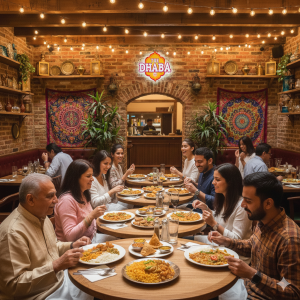
Street food-style dining encourages conversation, sampling, and connection. That’s why it appeals so strongly to Indian food lovers and newcomers alike. Everyone finds something they enjoy, whether they prefer mild, spicy, crunchy, or comforting flavors.
Indian Street Food and Modern Italian Lifestyles
Today’s diners want more than just a meal. They want an experience. Indian street food fits effortlessly into Italy’s social lifestyle—casual, flavorful, and satisfying without being heavy.
Another key factor is the rise of plant-based eating. Many Indian street foods are naturally vegetarian or vegan, making them accessible without compromising on taste. This inclusivity has helped Indian cuisine build a loyal following across different age groups.
From Street to Table—Without Losing the Soul
Transforming street food into a restaurant experience isn’t easy. I’ve learned that while cleanliness, presentation, and consistency are essential, the soul of the food must remain untouched. When kitchens stay true to traditional methods, diners can taste the difference immediately.
That authenticity is what turns first-time visitors into regular guests—and why people confidently recommend a place as the best Indian restaurant in their city.
Frequently Asked Questions
Is Indian street food too spicy for Italian diners?
Not at all. Authentic recipes focus on balance. Spice levels can be adjusted while preserving flavor.
Are there vegetarian options available?
Yes. Indian street food offers a wide range of vegetarian dishes rooted in tradition.
Is Indian street food suitable for families?
Absolutely. Its variety and shareable nature make it perfect for families and groups.
How do I know if a restaurant is truly authentic?
Look for regional dishes, traditional preparation methods, and layered flavors rather than creamy shortcuts.
Why is Indian cuisine becoming so popular in Italy?
Because it aligns with Italy’s love for tradition, quality ingredients, and meaningful food experiences.
A Clear Invitation for True Food Lovers
Italy’s love for Indian street food is no passing trend—it’s a lasting connection built on shared values of tradition and taste. If you’re ready to explore authentic flavors, celebrate real cooking, and enjoy a memorable dining experience, now is the perfect time.
For reservations, inquiries, or to plan your visit, Contact us today and experience why authentic Indian street food is winning hearts across Italy.
The post Italy’s Growing Love for Authentic Indian Street Food first appeared on Ristorante Indiano The Dhaba a Milano.
-
How Indian Restaurants Keep Traditional Recipes Alive
12 gennaio, di Gaje Singh Gautam — Altro, Authentic Indian restaurant, Best Indian Restaurant, Family Indian restaurant, Indian cuisine in Italy, Indian food lovers, Indian restaurant near me, Regional Indian recipes, Traditional Indian cookingAs someone deeply connected to Indian food culture, I’ve always believed that an Indian restaurants is more than a place to eat—it’s a living archive of heritage, memories, and generations of culinary wisdom. When Indian cuisine travels beyond borders, especially into countries like Italy, preserving its authenticity becomes both a responsibility and an art. At The Dhaba, keeping traditional Indian recipes alive isn’t a marketing trend; it’s a commitment rooted in respect for culture, ingredients, and time-honored techniques.
The Roots of Traditional Indian Cooking
Indian cuisine was never designed for shortcuts. Recipes were shaped by geography, climate, and community. From slow-simmered gravies in North India to spice-layered curries of the south, every dish tells a story. Authentic Indian restaurants understand that these recipes cannot be rushed or diluted. Instead of adapting flavors excessively for convenience, the best Indian restaurants stay true to original cooking processes—hand-ground spices, long margination times, and slow cooking methods that develop depth and balance.
Passing Recipes Through Generations
One of the most powerful ways Indian restaurants preserve tradition is by safeguarding family recipes. Many dishes served today were passed down verbally from grandparents to parents and then to chefs. These recipes often don’t exist on paper; they live through practice and repetition. As an Indian restaurants owner or chef, honoring these inherited methods means training kitchen teams patiently, ensuring consistency without compromising authenticity.
This generational transfer is what separates a truly authentic Indian restaurant from a generic curry house. It’s also why diners searching for the best Indian restaurant near me often gravitate toward places known for heritage cooking rather than fusion shortcuts.
Sourcing the Right Ingredients Matters
Traditional Indian recipes rely heavily on ingredient integrity. The aroma of real basmati rice, the depth of aged spices, and the texture of slow-cooked lentils cannot be replicated with substitutes. Authentic Indian restaurants in Italy face sourcing challenges, but the effort is non-negotiable. Whole spices are imported and freshly ground. Ghee is clarified carefully. Lentils, rice, and flours are chosen for their regional authenticity.
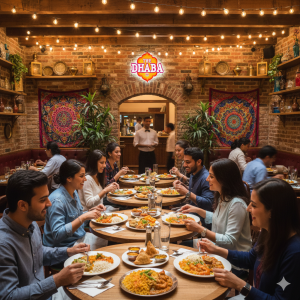
These decisions may increase preparation time, but they protect the soul of Indian cuisine. Customers looking for an authentic Indian restaurant in Italy can taste the difference immediately.
Cooking Techniques That Refuse to Change
While modern kitchens embrace technology, traditional Indian cooking still depends on manual control. Tandoors, for example, are not just ovens—they’re instruments of tradition. Maintaining correct temperatures, managing live heat, and understanding timing comes only with experience.
Similarly, gravies are built layer by layer. Onions are browned slowly, spices are tempered precisely, and sauces are finished patiently. Indian restaurants that keep these techniques alive resist the temptation to pre-cook or freeze bases. The result is food that tastes like home, not mass production.
Educating Diners Through Experience
Preserving traditional recipes also means educating guests. Many diners are unfamiliar with regional Indian cuisine and may only know popular dishes like butter chicken or biryani. Authentic Indian restaurants take pride in introducing lesser-known flavors while explaining their origins. This creates appreciation, not confusion.
At The Dhaba, we see dining as a cultural exchange. Guests who value traditional Indian food often become loyal patrons because they understand the care behind every dish. This approach strengthens trust and positions the restaurant as a genuine destination for Indian dining.
If you’re searching for a place that truly respects Indian culinary heritage, you’ll find that commitment reflected in every detail at this Indian Restaurants
Why Tradition Still Matters Today
In a world driven by speed, tradition slows us down—and that’s a good thing. Traditional Indian recipes are healthier, more balanced, and deeply satisfying. They respect seasonal cooking, mindful spice usage, and portion harmony. Indian restaurants that preserve these values contribute not only to better dining but also to cultural sustainability.
For families, food lovers, and travelers seeking real flavors, traditional Indian restaurants offer something rare: authenticity without compromise.
Call to Action: Experience Tradition Yourself
If you believe food should tell a story, I encourage you to experience Indian cuisine prepared the traditional way. Whether you’re planning a family dinner, a group meal, or a quiet evening of comfort food, choosing an authentic Indian restaurant makes all the difference.
For reservations, inquiries, or private dining, Contact us here:
Frequently Asked Questions (FAQ)
What makes an Indian restaurant truly traditional?
A traditional Indian restaurants follows original recipes, uses authentic ingredients, and respects slow cooking techniques passed down through generations.
Do traditional Indian recipes differ by region?
Yes. North, South, East, and West India each have distinct cooking styles, spices, and preparation methods that authentic restaurants preserve.
Why do traditional Indian dishes take longer to prepare?
Because they rely on slow cooking, fresh spice blending, and layered preparation rather than pre-made sauces.
Are traditional Indian recipes healthier?
Generally yes, as they use balanced spices, natural ingredients, and minimal processing.
How can I identify an authentic Indian restaurant?
Look for consistency in flavor, cultural storytelling, freshly prepared dishes, and a menu that goes beyond generic options.
The post How Indian Restaurants Keep Traditional Recipes Alive first appeared on Ristorante Indiano The Dhaba a Milano.

 RSS 2.0