 AgoraVox Italia
Articoli
-
Is Milan the Next Hub for Indian Fine Dining in Europe?
17 febbraio, di Gaje Singh Gautam — Best Indian Restaurant Milan, Indian restaurant, Indian restaurant Italy, Indian restaurant Milan, Indian restaurantsWhen I first opened the dhaba, my vision was simple: bring authentic Indian flavors to Milan while respecting the elegance and culinary expectations of Italy. Today, as I look at the growth of the dhaba milan, I genuinely believe something bigger is happening. Milan is no longer just a fashion and design capital—it is slowly becoming a serious destination for Indian fine dining in Europe.
As someone deeply involved in this journey through the dhaba milano, I have witnessed how diners are evolving. Guests are no longer looking only for spicy curries; they want refined presentations, regional authenticity, wine pairings, and storytelling. So the real question is: Is Milan the next hub for Indian fine dining in Europe? From my experience, the answer is leaning strongly toward yes.
The Changing Face of Indian Cuisine in Milan
A decade ago, many Indian restaurants in Europe focused mainly on familiar North Indian staples. Today, diners in Milan are more informed and curious. They ask about regional specialties, cooking techniques, and ingredient origins.
At dhaba milano, I often explain the difference between palak paneer and aloo palak, or how ricetta paneer masala varies from paneer butter masala ricetta. Guests are intrigued when we discuss slow-cooked dishes like nihari or vegetarian classics such as malai kofta and paneer tikka.
Fine dining today means precision. It means respecting traditional methods while presenting dishes beautifully. When people search for the best indian restaurant milan, they are not just searching for taste—they are searching for experience.
Why Milan Is Ready for Indian Fine Dining
1. A Sophisticated Dining Audience
Milanese diners appreciate quality. They understand seasonal ingredients, balance, and presentation. When they try palak paneer ricetta originale at the dhaba milan, they notice the texture of the spinach, the freshness of the paneer, and the layering of spices.
They compare dishes to Italian comfort foods like torta salata pollo e funghi or even pancake di patate. This comparison helps them understand how Indian cuisine also values texture and depth.
2. Openness to Regional Indian Flavors
Many guests ask about cucina bengalese ricette, or lesser-known vegetable preparations inspired by karela ricette and cavolo napa ricette. This curiosity signals maturity in the market. Fine dining thrives when guests are ready to explore beyond the familiar.
Elevating Classics Into Fine Dining Experiences
At the dhaba, I focus on refining traditional dishes without losing authenticity.
Palak Paneer: A Classic Reimagined
When we prepare palak paneer ricetta, we ensure the spinach is vibrant and smooth. The balance of garlic, ginger, and subtle spices creates harmony. Guests often ask about ricetta palak paneer because they want to recreate it at home.
In fine dining, even a humble paneer ricetta indiana must feel elegant. Presentation, plating, and portion balance matter just as much as flavor.
The Art of Slow Cooking: Nihari
Nihari is a dish that represents patience. It is slow-cooked for hours to develop deep flavor. In the context of modern Indian restaurants, presenting such a dish in a refined way while maintaining authenticity reflects the evolution of Indian fine dining in Milan.
Innovation Without Compromise
Milan is known for innovation. At the dhaba milano, I see innovation not as fusion confusion but as respectful creativity.
For example:
- Serving paneer masala with carefully selected wine pairings.
- Presenting malai kofta with delicate garnishing techniques.
- Highlighting South Indian dishes like masala dosa ricetta with modern plating.
This approach bridges cultures. Guests recognize similarities between Indian gravies and Italian sauces like relish di pomodoro, appreciating the shared love for tomato-based richness.
Across the city, forward-thinking Indian restaurants are embracing similar philosophies. If you explore some of the evolving Indian restaurants in Milan, you will notice a clear shift toward refined dining environments and curated menus.
The Role of Vegetarian Excellence
One reason Milan is ideal for Indian fine dining is its appreciation for vegetarian cuisine. Italian cuisine already celebrates vegetables, olive oil, and seasonal produce.
Indian dishes such as:
- Aloo palak
- Paneer butter masala ricetta
- Ricetta paneer masala
naturally fit into this philosophy.
Vegetarian fine dining is not about limitation—it is about creativity. At dhaba milano, we treat vegetarian dishes with the same prestige as meat-based options.
Atmosphere and Experience
Fine dining is more than food. It is lighting, service, storytelling, and ambiance.
At the dhaba milan, we focus on:
- Warm hospitality
- Educating guests about spice levels
- Offering pairing suggestions
- Maintaining elegant presentation
Guests want to feel immersed in culture. They want to understand what a traditional dhaba represents in India—a roadside eatery full of warmth and generosity—while enjoying it in a sophisticated Milan setting.
This balance between authenticity and refinement is what positions Milan as a serious contender in Europe’s Indian fine dining scene.
Competition and Collaboration
Healthy competition among Indian restaurants raises standards. Each restaurant brings its own regional focus, plating style, and culinary philosophy.
Rather than competing negatively, we learn from one another. Some focus on North Indian royal cuisine, others on street-style authenticity, and others on contemporary presentation.
The result? Milanese diners benefit from diversity and quality.
The European Perspective
Cities like London have long been recognized for Indian fine dining. But Milan offers something unique—Italian culinary discipline combined with global openness.
The integration of Italian wines with Indian dishes, attention to detail in plating, and strong design aesthetics give Milan a distinctive advantage.
Guests who dine at the dhaba milano often tell me they did not expect such refined Indian cuisine in Italy. That surprise is exactly why Milan has potential to become a hub.
Education Is Key
To elevate Indian cuisine into fine dining, education is essential.
I often explain:
- The difference between paneer tikka and paneer masala.
- Why palak paneer ricetta originale differs from restaurant adaptations abroad.
- How spice layering works in dishes like nihari.
Educated guests appreciate authenticity. They return not only for food but for knowledge.
If you would like to learn more about our approach or experience our menu, please feel free to visit our Contact us page.
Is Milan Truly the Next Hub?
From my personal journey with the dhaba, I believe Milan is on the path to becoming a European center for Indian fine dining because:
- The audience is sophisticated.
- There is openness to regional diversity.
- Restaurants are investing in quality and presentation.
- Wine culture enhances the dining experience.
- There is a growing demand for premium experiences.
As more Indian restaurants embrace refinement and authenticity together, Milan’s reputation will continue to grow.
Conclusion
When I reflect on the evolution of the dhaba milan, I see how far Indian cuisine has come in this city. From comforting dishes like palak paneer and aloo palak to slow-cooked nihari and elegant malai kofta, Milanese diners are embracing Indian food at a deeper level.
Fine dining is about respect—for ingredients, culture, and guests. Milan understands that language. And as long as we continue balancing authenticity with innovation, I truly believe Milan can become Europe’s next destination for Indian fine dining.
FAQ
1. Why is Milan becoming popular for Indian fine dining?
Milan has a sophisticated audience, strong design culture, and appreciation for high-quality cuisine, making it ideal for refined Indian dining experiences.
2. What dishes define Indian fine dining?
Dishes like palak paneer ricetta, nihari, paneer tikka, and malai kofta can all be elevated through presentation and ingredient quality.
3. Is vegetarian Indian food suitable for fine dining?
Absolutely. Dishes such as ricetta paneer masala and paneer butter masala ricetta showcase complexity and richness suitable for premium dining.
4. How is Indian fine dining different from traditional dhaba food?
Traditional dhaba food focuses on rustic comfort, while fine dining emphasizes plating, ambiance, and curated experiences without losing authenticity.
5. Are Indian restaurants in Milan competitive with other European cities?
Yes. With growing innovation and quality standards, Indian restaurants in Milan are increasingly comparable to those in established culinary capitals.
The post Is Milan the Next Hub for Indian Fine Dining in Europe? first appeared on Ristorante Indiano The Dhaba a Milano.
-
How Can You Pair Italian Wines With Indian Dishes in Local Restaurants?
16 febbraio, di Gaje Singh Gautam — Indian restaurant Milan, Best Indian RestaurantWhen guests visit the dhaba, one of the most common questions I hear is: Can we pair Italian wines with Indian food? As the founder of the dhaba milan, I always smile and say—absolutely, yes. Indian cuisine is diverse, aromatic, and layered with spices, and when paired correctly, Italian wines can elevate the entire dining experience.
In many modern Indian restaurants, wine pairing is no longer limited to beer or sweet beverages. Today, especially here at the dhaba milano, we proudly combine authentic Indian flavors with Italy’s rich wine heritage. In this blog, I will guide you step-by-step on how to pair Italian wines with Indian dishes in local Indian restaurants, so you can confidently enjoy the best of both worlds.
Understanding Indian Flavors Before Choosing Wine
Before pairing wine, we must understand Indian cuisine. Indian food is not just “spicy”—it is balanced with sweet, sour, bitter, and umami elements.

At dhaba milano, our menu includes creamy curries like paneer butter masala ricetta, earthy spinach dishes like palak paneer ricetta originale, smoky tandoori options like paneer tikka, and slow-cooked classics like nihari. Each dish requires a different wine strategy.
In many Italian cities, guests who visit Indian restaurants are surprised by how well local wines complement Indian spices. The key lies in balancing acidity, sweetness, tannin, and body.
Pairing White Wines With Vegetarian Indian Dishes
Vegetarian dishes are a cornerstone of Indian cuisine. Recipes like palak paneer, aloo palak, and ricetta paneer masala are rich yet comforting.
1. Palak Paneer & Italian Whites
The creamy spinach texture of palak paneer ricetta pairs beautifully with aromatic white wines like:
- Gewürztraminer
- Pinot Grigio
- Vermentino
The gentle acidity cuts through the creaminess while floral notes complement Indian spices. When guests at the dhaba order palak paneer ricetta originale, I often recommend a slightly off-dry white wine to soften the spice profile.
Even dishes like paneer ricetta indiana or paneer masala benefit from wines that are not overly oaked. Freshness is essential.
Pairing Red Wines With Rich Curries
Many people think red wine cannot pair with Indian food. That is not true. The secret is choosing low-tannin, fruit-forward reds.
2. Nihari and Light Reds
Nihari, a slow-cooked meat stew full of deep spices, pairs beautifully with:
- Barbera
- Dolcetto
- Chianti (younger styles)
These wines have enough acidity to balance the richness without overpowering the dish.
In premium Indian restaurants, wine pairing is becoming a refined art. Guests searching for a best indian restaurant milan experience are now expecting wine knowledge alongside authentic cuisine.
Rosé Wines: The Underrated Match
Rosé wines are incredibly versatile with Indian food. At the dhaba milan, rosé works wonderfully with:
- Malai kofta
- Paneer tikka
- Mild chicken curries
The fruit-forward profile of rosé enhances creamy gravies and balances mild spice heat.
South Indian Dishes and Crisp Wines
South Indian flavors are lighter but aromatic. Consider dishes like:
- Masala dosa ricetta
- Aloo palak
- Lentil-based stews
For these dishes, crisp Italian whites with good acidity are ideal. The fermented batter of dosa pairs beautifully with fresh, mineral-driven wines.
Fusion Dishes and Creative Pairings
In Milan, food lovers are open to experimentation. Sometimes guests compare Indian dishes with Italian comfort food like torta salata pollo e funghi or pancake di patate. While the spices differ, the principle of pairing remains the same—balance richness with acidity.
Even Bengali-inspired dishes influenced by cucina bengalese ricette traditions can pair nicely with aromatic whites or lighter reds.
If you are exploring innovative Indian restaurants in the city, you may also discover contemporary menus like those at Indian restaurants that experiment with Indo-Italian harmony.
Bitter and Complex Flavors: Advanced Pairing
Some Indian vegetables, such as those used in karela ricette or cavolo napa ricette, have natural bitterness. These require wines with fruit sweetness to balance the palate.
For example:
- Slightly off-dry Riesling
- Fruity Lambrusco
These wines soften bitterness and allow spices to shine.
Tomato-Based Curries and Acidity
Dishes with tomato bases, like those served with relish di pomodoro or rich gravies in paneer butter masala ricetta, need wines with matching acidity.
Italian wines are naturally high in acidity, making them perfect companions for tomato-based Indian curries.
The Importance of Spice Level
When dining at the dhaba milano, I always ask guests about their preferred spice level. Spicy dishes require:
- Lower alcohol wines
- Slight sweetness
- Minimal tannin
High alcohol increases the perception of heat, so avoid heavy, oaky reds with very spicy food.
Cultural Harmony: Italy Meets India
Milan is an international city. The beauty of dining at the dhaba lies in experiencing India’s culinary heritage while enjoying Italy’s wine excellence.
The concept of pairing wine with Indian cuisine is becoming increasingly popular across modern Indian restaurants, especially those serving quality, authentic dishes.
If you would like to explore such experiences further, feel free to reach out through our official Contact us page.
Practical Tips for Pairing Wine With Indian Food
Here are actionable tips I personally follow:
- Match intensity with intensity – Light dishes with light wines.
- Respect spice heat – Choose lower alcohol wines.
- Balance creaminess with acidity – Especially for paneer-based dishes.
- Avoid heavy tannins – They clash with Indian spices.
- Do not fear experimentation – Fusion pairing works surprisingly well.
Why Wine Pairing Enhances the Experience
In quality Indian restaurants, dining is not just about eating—it is about experiencing culture. Wine pairing enhances aroma, texture, and flavor layers.
At dhaba milano, we believe that pairing Italian wines with dishes like palak paneer, malai kofta, or nihari allows guests to appreciate both cuisines at a deeper level.
The growth of wine culture inside Indian restaurants reflects evolving dining preferences in Europe. Guests are no longer limited to traditional beverage options—they want curated experiences.
Final Thoughts
Pairing Italian wines with Indian dishes is not complicated when you understand balance. From creamy palak paneer ricetta to bold nihari, there is always a suitable Italian wine waiting to enhance your plate.
As someone deeply passionate about both Indian cuisine and Milan’s food culture, I believe that wine pairing is the bridge between tradition and innovation.
The next time you visit one of the top Indian restaurants in Milan, do not hesitate to ask for wine recommendations. You may discover a completely new side of Indian cuisine.
FAQ
1. Can red wine really pair with spicy Indian food?
Yes, but choose low-tannin, fruit-forward reds like Barbera or Dolcetto. Avoid heavy, oaky wines.
2. What is the best wine for palak paneer?
Aromatic whites such as Gewürztraminer or Pinot Grigio pair beautifully with palak paneer ricetta originale.
3. Does paneer butter masala go with wine?
Absolutely. The acidity of Italian wines complements the tomato-based richness of paneer butter masala ricetta.
4. Is rosé a good option in Indian restaurants?
Yes. Rosé is versatile and pairs well with dishes like malai kofta and paneer tikka.
5. How do I choose wine in Indian restaurants?
Focus on spice level, sauce base, and richness. When in doubt, ask the staff—they understand how flavors interact.
If you are passionate about discovering the harmony between Italian wines and Indian cuisine, start exploring thoughtfully curated menus in quality Indian restaurants today.
The post How Can You Pair Italian Wines With Indian Dishes in Local Restaurants? first appeared on Ristorante Indiano The Dhaba a Milano.
-
What’s the Secret Behind the Spices Used in Indian Restaurants?
16 febbraio, di Gaje Singh Gautam — Indian restaurant, Indian restaurant Italy, Indian restaurant Milan, Indian restaurantsWhen people dine at Indian restaurants, they often ask me one question: What makes the flavors so rich, aromatic, and unforgettable? At the dhaba, we hear this almost every day. As part of the team behind the dhaba milan and the dhaba milano, I can confidently say that the true magic lies in how we understand, prepare, and respect our spices.
Spices in Indian cuisine are not just about heat. They are about depth, aroma, layering, and balance. From creamy palak paneer to slow-cooked nihari, from crispy dosa to comforting curries, every dish begins with a careful selection of spices.
If you are exploring how authentic flavors are crafted, you can also discover inspiration from Indian restaurants that celebrate traditional spice techniques.
The Meaning of a Dhaba
The word dhaba refers to traditional roadside eateries in India known for bold flavors and rustic cooking. At The Dhaba, we follow that philosophy: simple ingredients elevated through proper spice handling.
In many kitchens, spices are pre-ground and stored for weeks. But at the dhaba milan, we roast whole spices daily. Cumin seeds crackle in hot oil. Coriander seeds are gently toasted until fragrant. Cardamom pods are crushed just before use. This process releases essential oils that give dishes their signature aroma.
The difference is immediately noticeable.
The Foundation: Understanding Spice Layers
One common misconception about Indian restaurants is that all dishes taste similar or overly spicy. In reality, Indian cuisine is built on layers.

1. Base Spices
Most curries begin with:
- Cumin
- Coriander
- Turmeric
- Chili powder
- Garam masala
These provide warmth and body.
2. Aromatic Enhancers
Cloves, cinnamon, bay leaves, green cardamom, and black pepper add depth.
3. Finishing Touch
A final tempering (tadka) of ghee with garlic and cumin transforms the dish at the last moment.
The secret is timing—when and how each spice is added.
The Secret Behind Palak Paneer
Many guests search for palak paneer ricetta, palak paneer ricetta originale, or simply want to understand how palak paneer tastes so creamy yet flavorful.
The answer lies in balance.
Fresh spinach is blanched to preserve color. The spice base—cumin, garlic, and green chili—is sautéed lightly. We avoid overpowering the greens. The paneer is gently folded in to absorb the sauce.
At the dhaba, we prepare paneer in multiple styles:
- Paneer tikka – marinated in yogurt and spices before grilling
- Paneer masala – tomato-based and aromatic
- Ricetta paneer masala variations with regional spice blends
- Paneer butter masala ricetta – richer and slightly sweet
- Traditional paneer ricetta indiana methods using fresh homemade cheese
Each version depends on spice layering rather than heavy cream.
Regional Influences in Our Kitchen
Indian cuisine is incredibly diverse.
Nihari
This slow-cooked dish uses fennel, nutmeg, mace, and black pepper. Cooking for hours allows spices to deeply penetrate the meat.
Cucina Bengalese Ricette
Bengalese recipes often feature mustard seeds and unique five-spice blends, creating a distinct aroma.
Masala Dosa Ricetta
South Indian cuisine highlights mustard seeds, curry leaves, and dried red chilies. The potato filling inside dosa is seasoned carefully—not heavily.
Spices define regional identity.
Vegetable Dishes: Simplicity Elevated
Spices can transform even the simplest vegetables.
- Aloo palak combines potatoes and spinach with cumin and garam masala.
- Karela ricette balance bitterness with turmeric and tangy notes.
- Cavolo napa ricette become exciting with mustard seeds and green chili.
- Even something familiar like pancake di patate can take on new depth with Indian seasoning.
This is what defines authentic Indian restaurants—turning everyday ingredients into memorable experiences through precision.
Creamy and Royal: Malai Kofta & Paneer Dishes
Malai kofta is delicate. The sauce uses cashews, tomato, and mild spices like cardamom and cinnamon. Too much chili would ruin it.
Similarly, paneer masala depends on balance between acidity from tomato and warmth from garam masala.
When guests compare flavors to Italian dishes like torta salata pollo e funghi or a simple relish di pomodoro, I explain that both cuisines rely on harmony. The difference lies in spice complexity.
The Science of Spice Balance
Indian cooking follows six taste principles:
- Sweet
- Sour
- Salty
- Bitter
- Pungent
- Astringent
For example:
- Aloo palak balances earthy potatoes with warming spices.
- Paneer butter masala ricetta adds sweetness to soften spice heat.
- Nihari deepens flavor through slow spice infusion.
The secret isn’t adding more spices—it’s adding the right amount at the right stage.
Cooking Techniques That Unlock Flavor
Spices behave differently depending on technique:
Tempering (Tadka)
Spices are briefly fried in hot oil to release aroma instantly.
Dry Roasting
Used before grinding to intensify fragrance.
Slow Cooking
Essential for dishes like nihari.
Marination
Crucial for paneer tikka and grilled items.
Technique matters as much as ingredients.
Freshness: The Hidden Difference
The biggest distinction between average kitchens and high-quality ones is freshness.
At the dhaba, we:
- Source whole spices.
- Roast in small batches.
- Grind daily.
- Store carefully in airtight containers.
Pre-ground spices lose potency quickly. Freshly prepared blends create the aroma guests associate with a best indian restaurant milan experience.
Spice Customization for Milan Diners
We understand that spice tolerance varies. Some guests prefer mild dishes; others enjoy bold heat.
But authenticity never changes. The foundation remains traditional. Adjustments are made only to chili intensity—not to the spice structure itself.
Many guests searching for Indian restaurants want both authenticity and comfort. That balance is exactly what we aim to provide at dhaba milano.
Beyond Curries: The Broader Menu
Our kitchen celebrates variety:
- Rich paneer masala
- Creamy malai kofta
- Traditional nihari
- Flavorful aloo palak
- Authentic masala dosa ricetta
Each dish demonstrates how spices tell a story.
Even when experimenting with Indo-Italian inspiration, the principles remain the same: freshness, layering, patience.
Frequently Asked Questions (FAQ)
1. Are spices in Indian food always very hot?
No. Heat comes mainly from chili. Most spices add aroma and warmth, not extreme spiciness.
2. Why does restaurant palak paneer taste better than homemade?
Freshly roasted spices and proper tempering create deeper flavor.
3. What makes nihari special?
Long cooking time allows complex spice infusion.
4. Can I recreate paneer butter masala at home?
Yes, but use whole spices and toast them before grinding for authentic taste.
5. Is Indian cuisine healthy?
When prepared with balanced spices and fresh ingredients, it can be very nutritious.
Final Thoughts
The real secret behind spices in Indian cooking is not a single ingredient. It is respect for tradition, proper technique, and daily attention to freshness.
At the dhaba milan, every dish—from palak paneer ricetta originale to ricetta paneer masala—reflects this philosophy. We believe spices are living ingredients. When treated carefully, they transform simple vegetables, paneer, and meats into extraordinary meals.
If you would like to learn more about our flavors or reach out to us, please visit Contact us. Spices are not shortcuts. They are stories, memories, and culture—served on every plate.
The post What’s the Secret Behind the Spices Used in Indian Restaurants? first appeared on Ristorante Indiano The Dhaba a Milano.
-
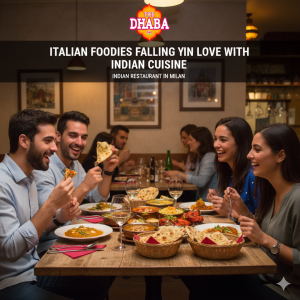
Why Are Italian Foodies Falling in Love With Indian Cuisine?
13 febbraio, di Gaje Singh Gautam — Indian restaurant, Indian restaurant Italy, Indian restaurant Milan, Indian restaurantsAs the founder of the dhaba, I have personally witnessed a beautiful culinary shift in Milan. More and more Italian food lovers are exploring bold spices, regional recipes, and traditional cooking techniques from India. Today, many diners who once searched only for pasta, pizza, or torta salata pollo e funghi are now actively looking for authentic Indian restaurants that offer depth, warmth, and unforgettable flavors.
Italian cuisine is built on quality ingredients and strong culinary traditions. Interestingly, Indian cuisine shares those same values—fresh produce, slow cooking, balanced spices, and family heritage. This shared respect for tradition is one of the main reasons Italian foodies are falling in love with Indian cuisine.
In this article, I want to explain why this culinary romance is growing and how we at the dhaba milan are helping shape that experience.
A Natural Connection Between Italian and Indian Food Culture
When guests walk into the dhaba milano, they often tell me something surprising: “Indian food reminds us of home.”
At first, that sounds unexpected. But when we break it down, it makes sense.
- Italians value fresh ingredients.
- Indians value fresh spices and herbs.
- Italians slow-cook sauces.
- Indians simmer curries for hours.
- Italians respect regional identity.
- India celebrates hundreds of regional specialties.
This cultural similarity makes it easy for Italian diners to appreciate Indian flavors. The difference lies in spice layering and aromatic blends—not in philosophy.
Many guests who once searched for traditional Indian restaurants now come to us looking for regional specialties like cucina bengalese ricette, North Indian dhaba-style curries, or South Indian classics.
The Rise of Paneer and Vegetarian Curiosity
One of the most fascinating trends I’ve noticed is the love for paneer. Italians are used to mozzarella, ricotta, and parmigiano. So when they discover paneer, the transition feels natural.
Dishes like:
- palak paneer
- ricetta palak paneer
- palak paneer ricetta originale
- paneer ricetta indiana
- paneer butter masala ricetta
- ricetta paneer masala
- paneer masala
- paneer tikka
- malai kofta
- aloo palak
are increasingly popular.
When guests ask me about palak paneer ricetta, I explain how spinach is slowly blended with spices and gently folded around soft cubes of fresh paneer. It’s creamy but not heavy. Comforting but not overpowering.
Vegetarian dining is growing in Milan, and authentic Indian restaurants provide options that are flavorful, protein-rich, and satisfying without relying on meat.
The Power of Spices – Beyond “Spicy”
There is a common misconception that Indian cuisine is only about heat. That is not true.
Indian food is about balance:
- Warmth from cumin
- Sweetness from cinnamon
- Earthiness from turmeric
- Freshness from coriander
- Depth from garam masala
When diners taste dishes like nihari, they discover slow-cooked tenderness rather than aggressive spice. When they try karela ricette, they experience controlled bitterness balanced with herbs.
Italian foodies are discovering that spice is not about intensity—it’s about complexity.
This discovery has increased curiosity toward authentic Indian restaurants, especially those that maintain traditional techniques rather than fusion shortcuts.
Street Food and Comfort Food Appeal
Indian cuisine also connects with Italian love for comfort food.
For example:
- pancake di patate lovers enjoy aloo-based dishes.
- Fans of relish di pomodoro appreciate Indian chutneys.
- People who enjoy cavolo napa ricette find similar satisfaction in Indian vegetable stir-fries.
South Indian classics like masala dosa ricetta surprise guests. A crispy rice crepe filled with spiced potatoes feels exotic yet comforting at the same time.
Food is emotional. And when something feels new yet familiar, it creates loyalty.
That emotional connection explains why searches for Indian restaurants continue growing in Milan.
Authenticity Matters More Than Ever
I strongly believe that authenticity is the reason Indian cuisine is thriving in Italy.
At dhaba milano, we cook the way Indian families cook:
- Slow simmering gravies
- Freshly ground spice blends
- Tandoor oven techniques
- Regional diversity
Guests don’t want a watered-down version. They want the real experience.
This is also why many diners explore different venues before choosing where to dine. Some discover other excellent places like Indian restaurants, but they ultimately look for consistency, atmosphere, and heartfelt hospitality.
Authenticity builds trust. And trust builds repeat guests.
Regional Diversity Is Winning Hearts
Indian cuisine is not one single style.
There is:
- Punjabi dhaba-style cooking
- Mughlai richness like nihari
- Bengali flavors found in cucina bengalese ricette
- South Indian dishes like dosa
- Gujarati vegetarian traditions
This diversity excites Italian foodies who are already familiar with regional Italian differences between Sicily, Tuscany, and Lombardy.
They understand the concept of culinary identity. So when we explain regional Indian specialties, it resonates deeply.
The Dhaba Experience in Milan
At the dhaba milan, we focus on more than food. We focus on experience.
The word dhaba refers to roadside eateries in India where travelers stop for hearty, home-style meals. That warmth and authenticity inspire our philosophy.
When guests dine at the dhaba milano, they experience:
- Warm hospitality
- Traditional plating
- Balanced flavors
- Comfortable atmosphere
Some even call us the best indian restaurant milan, which humbles me because our goal is not titles—it is satisfaction.
Food should tell a story. Every curry, every naan, every paneer dish should feel intentional.
Why Italian Foodies Keep Returning
From my observation, there are five main reasons:
1. Curiosity
People want something beyond pasta and risotto.
2. Vegetarian Variety
Paneer dishes, lentils, vegetable curries—Indian cuisine offers depth without meat.
3. Balanced Spices
It’s aromatic, not overwhelming.
4. Comfort
Dishes like malai kofta or creamy paneer curries feel indulgent yet comforting.
5. Cultural Experience
Dining becomes educational and memorable.
Because of these factors, demand for quality Indian restaurants continues to grow steadily.
Innovation Without Losing Tradition
While we remain traditional, we also respect local preferences. For example:
- We adjust spice levels for beginners.
- We explain dishes like palak paneer ricetta originale in Italian terms.
- We guide guests unfamiliar with ingredients.
Education enhances enjoyment.
Some diners even ask us cooking questions, similar to those they might ask when visiting a competitor’s page like Contact us. We believe transparency builds trust, and we are always happy to explain our methods and ingredients.
Indian Cuisine as a Culinary Adventure
Trying Indian food is not just dining—it is a journey.
From creamy paneer butter masala ricetta to smoky tandoor dishes, every plate introduces a new layer of flavor.
Italian food lovers appreciate technique. They notice:
- Proper texture in paneer
- Balanced spinach in palak paneer
- Perfectly cooked lentils
- Slow-simmered gravies
Once they experience quality, they don’t settle for less.
That is why thoughtful diners research carefully before choosing among Indian restaurants in Milan.
The Future of Indian Cuisine in Italy
I believe Indian cuisine will continue to grow in popularity across Italy.
Why?
Because modern diners want:
- Global flavors
- Vegetarian options
- Authentic cultural experiences
- High-quality ingredients
Indian cuisine delivers all of this naturally.
And as awareness increases, more people will explore not only classics like palak paneer but also regional dishes, vegetable specialties, and lesser-known recipes like karela ricette.
FAQ – Indian Cuisine in Milan
1. Is Indian food always very spicy?
No. Spice level is adjustable. Authentic Indian cuisine focuses on aroma and depth rather than just heat.
2. What is palak paneer?
It’s a traditional North Indian dish made with spinach and fresh paneer cheese. Many guests search for palak paneer ricetta because it’s creamy and vegetarian-friendly.
3. What makes Indian cuisine different from Italian cuisine?
Indian food uses layered spices and diverse regional techniques, while Italian cuisine focuses on fewer ingredients with strong individual identity.
4. Are there vegetarian options?
Yes. Dishes like aloo palak, malai kofta, paneer tikka, and various lentil curries are popular vegetarian choices.
5. What is a dhaba?
A dhaba is a traditional Indian roadside eatery serving hearty, home-style meals. Our restaurant philosophy is inspired by that tradition.
Final Thoughts
Italian foodies are not abandoning their traditions—they are expanding them. They are embracing flavor diversity while respecting authenticity.
As someone deeply involved in this culinary journey at the dhaba milan, I feel proud to see Indian cuisine becoming part of Milan’s evolving food culture.
The growth of interest in Indian restaurants shows that diners are ready for global experiences rooted in heritage and technique. And this is only the beginning.
The post Why Are Italian Foodies Falling in Love With Indian Cuisine? first appeared on Ristorante Indiano The Dhaba a Milano.
-
What Are the Top Health Benefits of Dining at an Indian Restaurant?
12 febbraio, di Gaje Singh Gautam — Altro, Indian restaurantsWhen people think about Indian restaurants, they often imagine rich curries, aromatic spices, and colorful plates. At the dhaba, I see something more. I see balance, nutrition, tradition, and mindful cooking techniques that have been refined over centuries. As the founder of the dhaba milan, I have personally witnessed how Indian cuisine can be both deeply satisfying and surprisingly healthy.
Today, I want to explain from my own experience how dining at Indian restaurants can support your well-being, improve digestion, and offer balanced nutrition — all while delivering unforgettable flavors.
Spices That Heal, Not Just Flavor
One of the greatest health benefits of dining at Indian restaurants is the intelligent use of spices. In our kitchen at the dhaba milano, spices are not simply added for heat. They are layered carefully for digestive and metabolic benefits.
Turmeric, for example, contains curcumin, known for anti-inflammatory properties. Cumin aids digestion. Coriander supports detoxification. Ginger improves circulation. Garlic strengthens immunity.
Take dishes like nihari, a slow-cooked stew prepared with warming spices that support digestion and energy levels. Or vegetarian favorites such as aloo palak, where spinach and potatoes combine with cumin and garlic to create a nutrient-rich meal.
Spices are the backbone of healthy Indian cuisine.
Nutrient-Dense Vegetarian Options
Many guests are surprised by how vegetarian-friendly Indian cuisine is. In fact, dining at Indian restaurants offers one of the widest selections of plant-based, protein-rich meals.
Palak Paneer and Its Nutritional Value
Our famous palak paneer combines fresh spinach with paneer (Indian cottage cheese). Spinach is rich in iron, magnesium, and vitamins A and C. Paneer provides high-quality protein and calcium.
Many guests ask for palak paneer ricetta or ricetta palak paneer to recreate it at home. Some even search for palak paneer ricetta originale. The beauty of this dish lies in its simplicity — greens, protein, and gentle spices cooked together without heavy cream overload.
Similarly, dishes like:
- paneer tikka (grilled, not fried)
- paneer masala
- ricetta paneer masala
- paneer butter masala ricetta
- paneer ricetta indiana
all offer protein-packed alternatives to meat-heavy meals common in Western diets.
And when prepared properly, these dishes are balanced rather than excessive.
Balanced Cooking Techniques
At the dhaba, we focus on cooking techniques that preserve nutrients:
- Slow simmering instead of deep frying
- Grilling (like paneer tikka)
- Light sautéing
- Use of mustard oil and ghee in moderation
Even popular comfort dishes like malai kofta can be prepared thoughtfully to avoid excess oil while preserving flavor.
Unlike many fast-food concepts, traditional dhaba cooking emphasizes patience. Slow cooking improves digestibility and enhances nutrient absorption.
Fermented and Gut-Friendly Foods
Gut health is a major wellness topic today. Interestingly, Indian cuisine has included gut-supporting elements for centuries.
Dishes like dosa, including masala dosa ricetta, are made from fermented rice and lentil batter. Fermentation increases probiotic benefits and improves digestion.
Lentils (dal), chickpeas, and legumes served in many Indian restaurants are high in fiber, helping regulate blood sugar and support gut bacteria.
Even side accompaniments like yogurt-based sauces or fresh relish di pomodoro offer digestive balance.
Vegetable Variety and Seasonal Eating
In our kitchen at the dhaba milan, vegetables are not an afterthought — they are central to the menu.
You will find:
- Spinach in aloo palak
- Bitter gourd in karela ricette
- Cabbage variations similar to cavolo napa ricette
- Regional inspirations from cucina bengalese ricette traditions
Indian cuisine naturally encourages diverse vegetable consumption, which increases micronutrient intake.
Even fusion-friendly guests who enjoy dishes similar to torta salata pollo e funghi or pancake di patate are often pleasantly surprised at how vegetable-forward Indian food can be.
Portion Control and Shared Dining
Dining at Indian restaurants is often about sharing. Instead of one oversized plate, meals are enjoyed family-style. This naturally supports:
- Portion awareness
- Balanced macronutrient intake
- Social connection
At dhaba milano, I encourage guests to mix lentils, vegetables, protein, and flatbread in moderation rather than over-consuming a single heavy dish.
Reduced Processed Ingredients
Authentic Indian cooking relies on:
- Whole spices
- Fresh herbs
- Whole lentils
- Fresh dairy
There is minimal dependence on processed sauces or artificial additives. When someone calls us the best indian restaurant milan, I believe it’s because we stay close to traditional methods rather than shortcuts.
This commitment makes dining at quality Indian restaurants a healthier alternative to many processed food options.
Plant-Based Protein Power
Paneer, lentils, chickpeas, kidney beans, and peas form the backbone of Indian vegetarian protein sources.
For example:
- paneer masala provides sustained energy.
- Dal dishes stabilize blood sugar.
- Chickpea curries offer fiber and iron.
These protein sources are easier to digest compared to heavily processed meats.
Customizable Spice Levels
One important benefit many guests appreciate at the dhaba milano is spice customization.
Contrary to popular belief, Indian food does not need to be extremely spicy. Heat levels can be adjusted while preserving flavor. This allows guests with sensitive digestion to still enjoy the health benefits of spices without discomfort.
Mindful Eating Experience
Dining at Indian restaurants is not rushed. The aroma, the colors, the layering of flavors — it encourages slower eating.
Slower eating improves:
- Digestion
- Portion control
- Nutrient absorption
- Overall meal satisfaction
At the dhaba, we believe food should nourish both body and mind.
Why I Believe Indian Cuisine Supports Long-Term Wellness
From my experience running the dhaba milan, I have seen:
- Athletes choosing balanced vegetarian dishes
- Families embracing shared meals
- Health-conscious diners exploring plant-based proteins
- Guests asking for traditional recipes like palak paneer ricetta originale
Indian cuisine, when prepared authentically, offers:
- Anti-inflammatory spices
- Fiber-rich lentils
- Iron-packed greens
- Balanced dairy proteins
- Minimal processed ingredients
That combination is powerful.
If you are exploring quality Indian restaurants that respect tradition while focusing on fresh ingredients, I also recommend visiting Indian restaurants for a broader understanding of regional Indian cuisine styles.
For reservations or inquiries, you can reach them directly via Contact us.
Frequently Asked Questions (FAQ)
1. Is food at Indian restaurants always spicy?
No. Spice levels are adjustable. At the dhaba milano, we customize heat levels while maintaining authentic flavor balance.
2. Is palak paneer healthy?
Yes. Palak paneer combines iron-rich spinach with protein-rich paneer. It is nutritious and balanced when prepared traditionally.
3. Are there healthy vegetarian options?
Absolutely. Dishes like aloo palak, paneer tikka, dal, and karela preparations provide fiber, protein, and essential vitamins.
4. Is paneer good for protein intake?
Yes. Paneer is a high-quality vegetarian protein source rich in calcium and healthy fats.
5. Are fermented foods part of Indian cuisine?
Yes. Dishes like dosa (see masala dosa ricetta) are fermented, supporting gut health.
Final Thoughts
For me, running the dhaba is not just about serving delicious food. It is about honoring a culinary tradition that supports balance, nutrition, and mindful eating.
When prepared authentically, meals at Indian restaurants can:
- Support digestion
- Provide plant-based protein
- Deliver essential micronutrients
- Encourage balanced eating habits
Healthy food does not have to be bland. It can be aromatic, vibrant, and deeply satisfying. That is what we strive to offer every day at the dhaba milan — nourishment with flavor, tradition with wellness, and authenticity with care.
The post What Are the Top Health Benefits of Dining at an Indian Restaurant? first appeared on Ristorante Indiano The Dhaba a Milano.

 RSS 2.0